by Nepal Natyashala | Mar 1, 2025 | Drama, Theater for Social Change (TSIA)
Theatre has long been recognized as a powerful tool for education and empowerment, offering a unique platform for exploring complex social issues, fostering personal growth, and building community engagement. In this blog post, we will explore how theatre, particularly through productions like those of Nepal Natyashala (Nepal Theatre House – NTH), educates audiences about important social topics and inspires personal transformation.
Educational Aspects of Theatre
Theatre education is not just about performing on stage; it encompasses a wide range of benefits that extend far beyond the theatrical experience itself. Here are some key educational aspects of theatre:
- Enhanced Academic Performance: Students involved in theatre education often demonstrate higher academic achievement. They are more likely to excel in standardized tests and receive academic honors due to improved critical thinking and problem-solving skills.
- Development of Social Skills: Theatre fosters essential social competencies such as communication, teamwork, and empathy. By portraying diverse characters, students learn to understand different perspectives, leading to a more inclusive environment.
- Increased Confidence and Self-Esteem: Participation in theatre significantly boosts student’s self-confidence and self-esteem. This newfound confidence encourages active participation in class discussions and other academic areas.
- Critical Thinking and Creativity: Engaging in theatre education cultivates critical thinking and creativity. Students are more likely to be recognized for their innovative ideas and problem-solving abilities.
Empowering Aspects of Theatre
Beyond its educational benefits, theatre is a potent tool for personal empowerment and community engagement:
- Personal Growth and Self-Discovery: Theatre provides a platform for students to explore their identities, beliefs, and emotions. By embodying different roles, they develop a deeper understanding of themselves and their place in the world.
- Community Building: Theatre creates a sense of community, enhancing students’ sense of belonging and motivation. This heightened engagement can lead to improved attendance and graduation rates.
- Empathy and Emotional Intelligence: Through emotional connections with characters and stories, theatre helps students develop empathy and emotional intelligence. This makes them more well-rounded and capable of understanding diverse perspectives.
Nepal Natyashala NTH: Educating Audiences and Inspiring Change
Nepal Natyashala (Nepal Theatre House – NTH) is exemplary in using theatre as a catalyst for change. By tackling important social issues, these productions educate audiences about critical topics while inspiring personal growth and community engagement. Here are some ways NTH achieves this:
- Exploring Complex Issues: NTH productions delve into complex social issues, providing a platform for audiences to engage with and reflect on these topics. This encourages a deeper understanding and empathy for those affected by these issues.
- Inspiring Personal Growth: Through powerful storytelling and performances, NTH inspires personal growth by challenging audiences to consider new perspectives and reflect on their own beliefs and values.
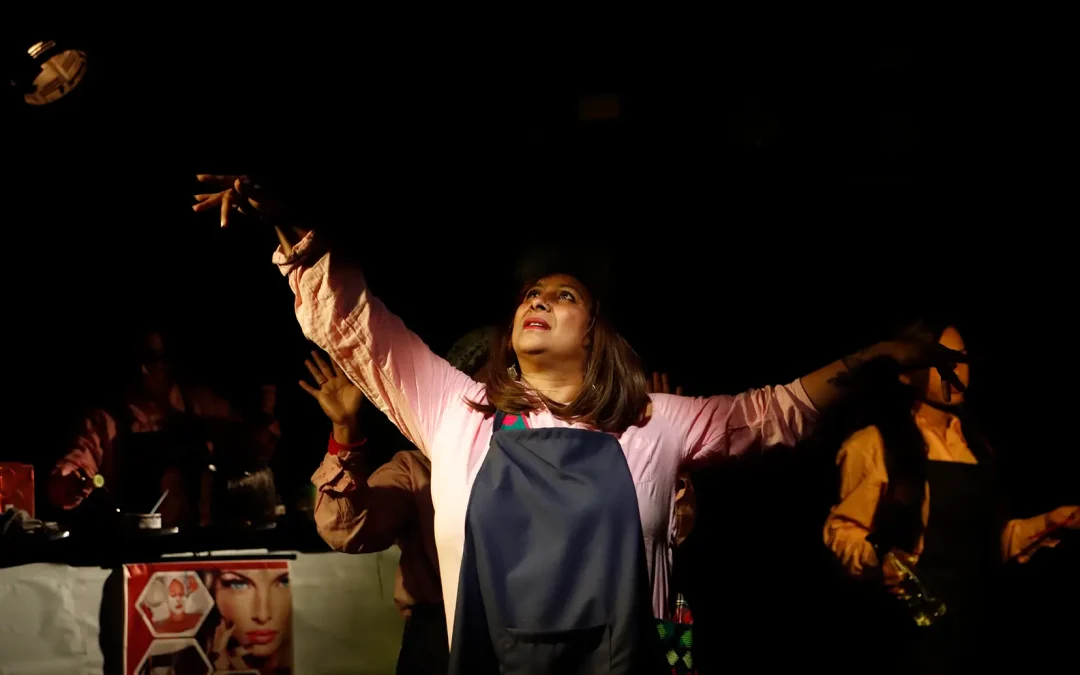
- Building Community Engagement: By engaging with local communities and involving them in the creative process, NTH fosters a sense of community and encourages active participation in social change. Productions like “शब्दको बि उ” (The Seed of the Word) explore themes of expression, connection, and the resilience of the human spirit, highlighting the transformative power of language and storytelling.
by Nepal Natyashala | Feb 10, 2025 | Drama, Theatre
Theater in Nepal is more than just a form of entertainment; it is a living, breathing reflection of our culture, history, and societal evolution. From the folk theater traditions of the hills and Terai to the more modern performances in urban centers, Nepalese theater has a unique history that deserves celebration and exploration.
The Origins of Nepalese Theater
Nepal’s theatrical traditions can be traced back centuries, with folk performances being an essential part of religious and cultural life. Tamasha, Deuda, Jhyalincha, and Buddhi Khel were traditional forms of theater that combined storytelling, dance, music, and ritualistic performances. These performances were deeply tied to the community’s spiritual beliefs and provided both entertainment and moral teachings.
Modern Theater in Nepal
In the 20th century, Nepal saw the emergence of more structured theater forms. The influence of Western theater, as well as the introduction of formal drama education, began to shape the urban theater scene in Kathmandu. The establishment of institutions like the Royal Nepal Academy in the 1950s and the Nepal Academy of Music and Drama in the 1990s paved the way for contemporary theater in the country.
Cultural Significance Today
Today, Nepalese theater continues to thrive, with the addition of new forms such as street theater, experimental plays, and musical productions. As an art form, it remains an essential way for Nepalis to express their stories, struggles, and dreams. The themes explored in modern plays often revolve around social change, gender issues, caste discrimination, and national identity, making it a powerful tool for awareness and reform.
The history of Nepalese theater is rich and diverse, blending ancient traditions with modern innovations. At NTH, we are committed to preserving and evolving this legacy, ensuring that theater continues to play a central role in Nepal’s cultural and social development.
by Nepal Natyashala | Jan 16, 2025 | Theater for Social Change (TSIA)
Nepal Natyashala (Nepal Theatre House NTH) is a vibrant cultural institution dedicated to using theater as a powerful tool for promoting social awareness and celebrating cultural diversity. Located in the heart of Nepal, NTH has been instrumental in fostering a more compassionate and inclusive society through its engaging performances and workshops. This blog post explores how NTH achieves its mission and the impact it has on Nepali society.
Introduction to Nepal Natyashala (Nepal Theatre House - NTH)
NTH views theater not merely as entertainment but as a transformative medium that can educate, empower, and unite communities. By focusing on pressing social issues, cultural values, human rights, and environmental challenges, NTH aims to inspire meaningful dialogue and positive change. The organization’s belief in the transformative power of storytelling is evident in its diverse range of productions, from thought-provoking plays to interactive workshops.
Promoting Cultural Diversity
Nepal is a country rich in cultural heritage, with diverse ethnic groups and traditions. NTH reflects this diversity by incorporating various cultural elements into its performances. Plays like “शब्दको बि उ” (The Seed of the Word) explore themes of expression, connection, and resilience, highlighting the importance of language and storytelling in Nepali culture. By celebrating these cultural nuances, NTH helps preserve Nepal’s vibrant cultural tapestry and promotes cross-cultural understanding.
Social Awareness and Change
One of the core objectives of NTH is to address social issues through theater. Similar initiatives, such as Theatre for Social Issue and Awareness (TSIA) by Nepal Matrigriha, demonstrate how theater can be a powerful tool for social change. TSIA focuses on topics like environment, health, gender equality, and human rights, aiming to influence positive behavior and decision making. NTH follows a similar path by using theater to raise awareness about critical social problems and advocate for human rights and environmental protection.
The impact of NTH on Nepali society is multifaceted:
- Community Engagement: By engaging communities in theater activities, NTH fosters a sense of belonging and encourages dialogue on important social issues.
- Cultural Preservation: Through its performances, NTH helps preserve Nepal’s rich cultural heritage by incorporating traditional themes and elements into contemporary storytelling.
- Social Change: By addressing social issues through theater, NTH contributes to raising awareness and promoting positive change in Nepali society.
Challenges and Opportunities
Despite its achievements, NTH faces challenges similar to those encountered by other cultural institutions in Nepal. For instance, Rastriya Nachghar, the national theater house, has been criticized for prioritizing profit over artistic endeavors, highlighting the need for more support for independent theater initiatives like NTH. However, this also presents opportunities for private organizations and community-driven initiatives to fill the gap and promote theater as a tool for social change and cultural preservation.