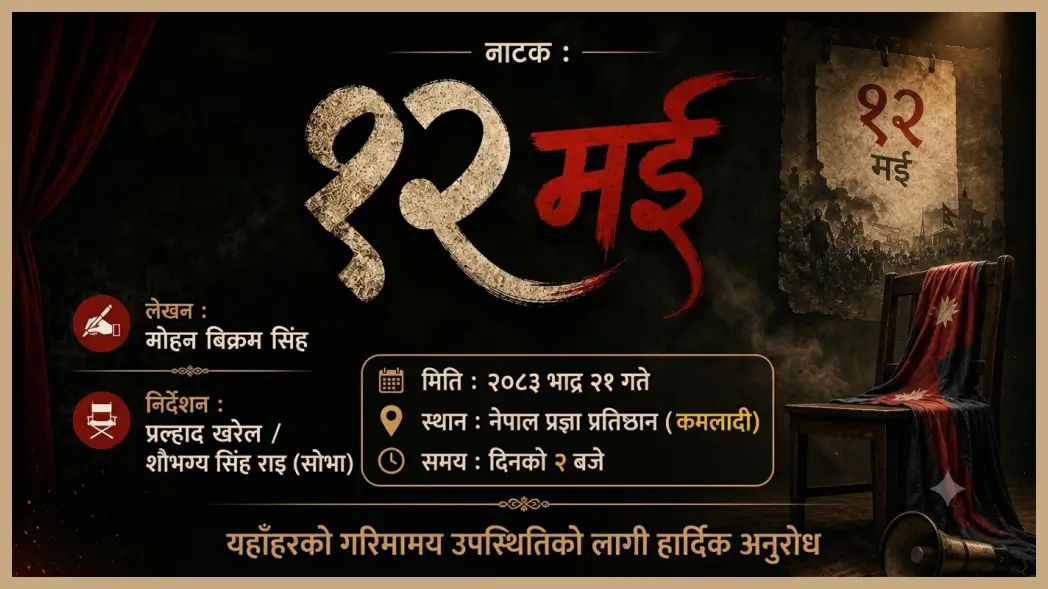
Nepal Theatre House (NTH) is all set to bring a wave of thought, struggle, and transformation to the Nepali stage. Preparations for the grand staging of ‘१२ मई’, an acclaimed play written by progressive writer Mohan Bikram Singh, are in full swing.
Organized by the Raktim Cultural Movement, this play will showcase the powerhouse talent of NTH’s resident artists, promising to mark a powerful milestone in Nepal’s theatrical landscape.
This historic production is directed by the talented duo Pralhad Kharel and Saubhagya Singh Rai
Grounded in Mohan Bikram Singh’s deep philosophical and progressive vision, the play is expected to depict social realities, systemic struggles, and questions of transformation on stage. For decades, the Raktim Cultural Movement has championed social transformation through art, literature, and culture. This performance is highly anticipated as a key event in the progressive cultural movement
Cast & Characters
To breathe life into this intense narrative, NTH’s actors are undergoing rigorous rehearsals, preparing to deliver unforgettable performances in their respective roles:
Harke: Narendra Prasad Joshi
Ujeli: Kabita Khadka
Bishnumani Sahu: Salik Bhandari
Padambahadur: JB DC
Jagat & Jogi: Rambabu Regmi
Indian Police: Pushparaj Awasthi
Sunita: Deepmala Pariyar
Shyambahadur: Nirmal Saun
Kale: Ashish KC
Surendra: Bipul Thapamagar
Birbahadur: Rodan Khadka
Artist: Khushi Tamang
A Highly Anticipated Theatrical Event
With intense rehearsals underway, the collective dedication of the cast, the creative vision of the directors, and the ideological power of Mohan Bikram Singh’s script have converged to make ‘१२ मई’ a must-watch theatrical event of the year
Nepal Theatre House cordially invites all theatre enthusiasts, thinkers, and advocates of social change to attend this grand performance. See you on Bhadra 21 at Nepal Pragya-Pratisthan
In many parts of Nepal, a natural biological process is still shrouded in dangerous superstitions. The practice of Chhaupadi, where menstruating women are banished to isolated sheds, continues to persist in the Sudurpaschim and various hilly regions of the country. Even in urban areas, deeply ingrained taboos remain, such as forbidding women from entering kitchens, touching men, looking at male family members, or visiting temples during their periods.
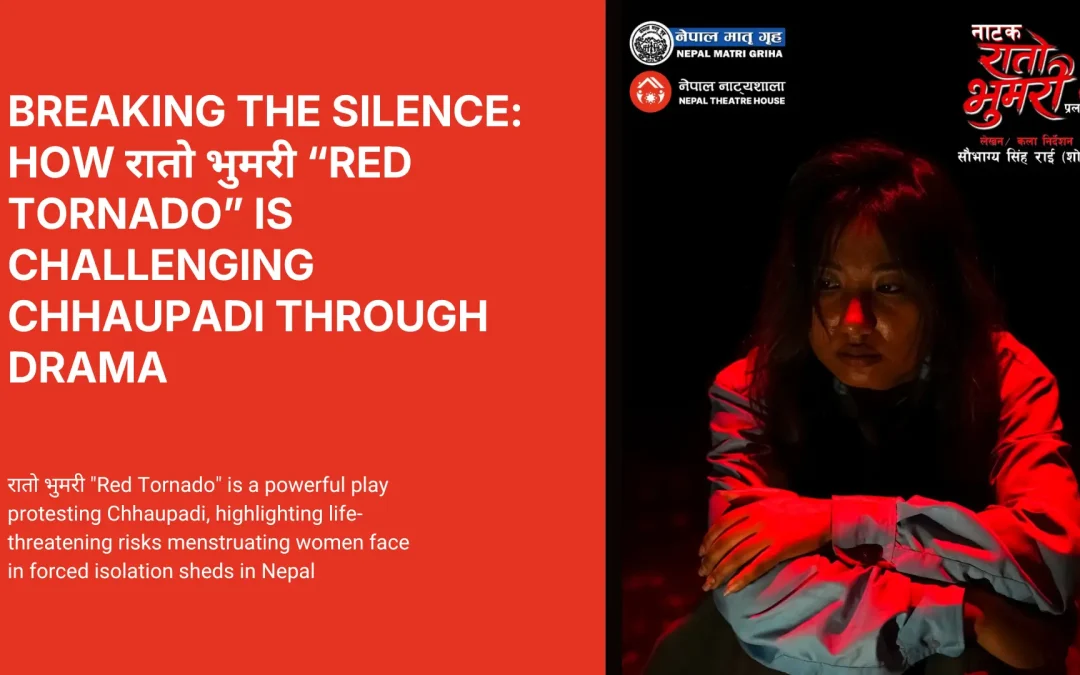
To confront these harmful traditions, a powerful new theatrical production titled “Rato Bhumari” has recently been staged.
Art as a Mirror to Society
The play serves as a direct protest against the life-threatening consequences of Chhaupadi. The sources highlight that women forced into these sheds face extreme risks, including fatal snake bites and the threat of sexual violence.
“Rato Bhumari” specifically targets the practice of forced isolation during a girl’s first menstruation, marking a significant step in using performing arts to advocate for menstrual rights and safety. According to actor JB DC, this is the first time a play has been specifically prepared to challenge the custom of staying in Chhau sheds during the very first period.
The Creative Team Behind the Vision
This impactful drama is a collaborative effort brought to life by dedicated artists and organizations:
Presenters: The production is presented by Nepal Natyashala and Nepal Matri Griha.
Writer: The script was penned by Saubhagya Singh Rai.
Director: The play was directed by Prahlad Kharel.
The Cast: The powerful performances are delivered by an ensemble including JB DC, Deepmala Pariyar, Ashish KC, Kiran Baby, Khushi Tamang, and Pratibha Raut.
A Call for Change
The staging of “Rato Bhumari” reminds us that while laws may exist against Chhaupadi, cultural change requires constant dialogue and creative intervention. By bringing the grim realities of the Chhau shed to the stage, the creators of “Rato Bhumari” hope to stir the public conscience and dismantle the “Rato Bhumari” of superstitions that continue to claim lives and dignity.
Through the medium of drama, these artists are not just telling a story; they are demanding a safer, more respectful future for all women in Nepal.
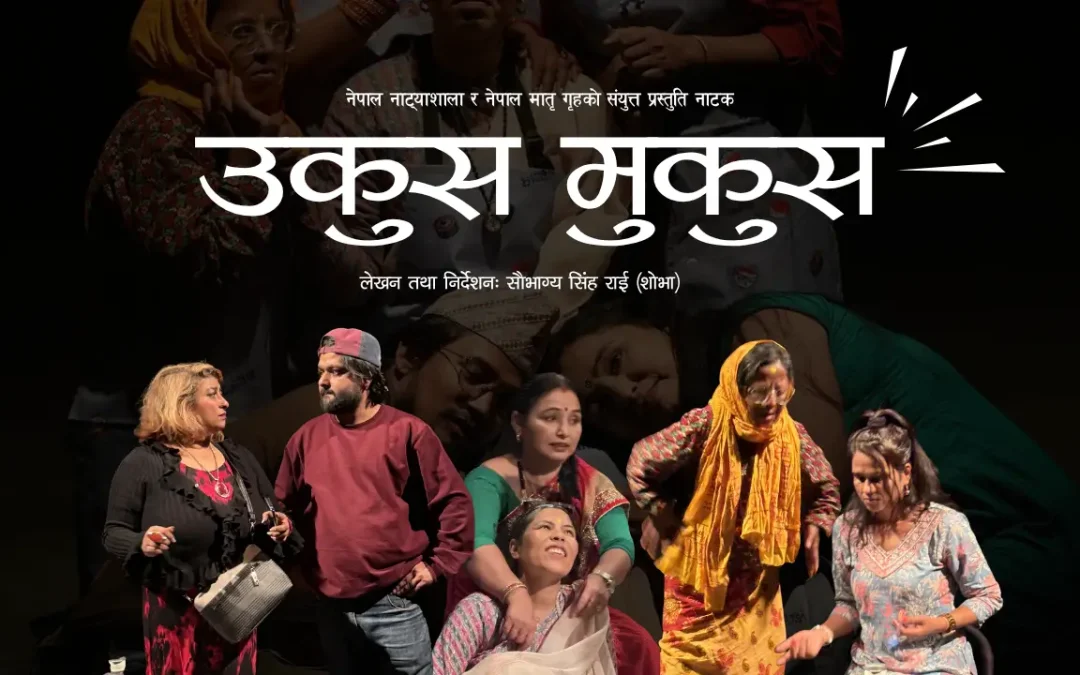
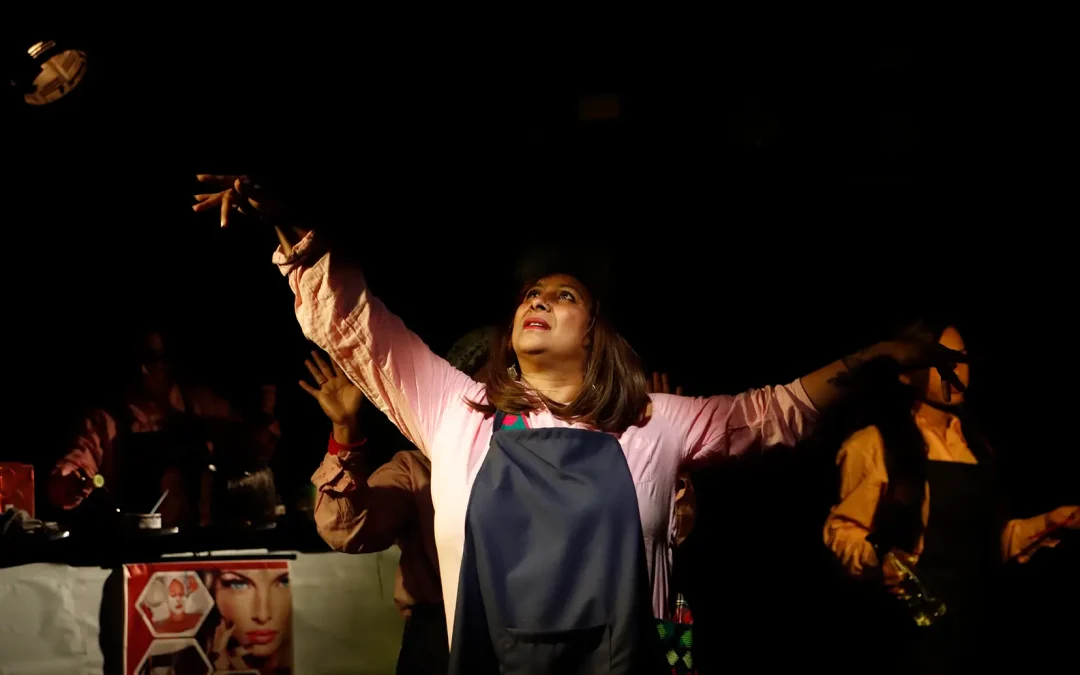
The theatrical play “Ukus Mukus” (उकुस मुकुस), written and directed by Saubhagya Singh Rai, offers a poignant look into the silent epidemic of loneliness currently gripping many Nepali households. The title itself suggests a sense of suffocation or unease, a feeling that permeates the lives of elderly parents left behind as their children migrate abroad in search of better opportunities.
The Empty Nest and the Migration Crisis
A central theme of the drama is the emotional toll of the “Australian Dream.” Characters like Ajay Sir reflect the tragic reality of many; he supported his wife’s education and move to Australia, only for her to marry someone else and for his daughter to eventually follow her, leaving him alone with nothing but his books for company. This narrative is mirrored in many families where children are physically present only through phone calls, leaving parents to wonder if their lifelong sacrifices were worth the solitude of their old age.
Watch the full Part 1 of this powerful theatrical performance on YouTube here:
UKUS MUKUS | उकुस मुकुस (Part 1) Theatrical Play by NTH
Wealth Without Care
The play highlights a stark social irony: material wealth does not equate to peace. Putali Aama, a character who owns three houses and significant land in Kathmandu, finds herself unable to even get a glass of water when she is sick. The drama exposes the dark side of family dynamics, where relatives like nephews and daughters-in-law may wait for the elderly to pass away to claim property, rather than offering genuine care.
Finding Solace and Reclaiming Life
Despite the heavy themes, “Ukus Mukus” introduces hope through characters like Chanchali. Running a “Job Center,” she becomes a bridge for those seeking employment and those needing care. She advocates for a radical shift in perspective: elderly parents must start living for themselves rather than waiting indefinitely for children who may never return.
Key moments of solace in the play include:
Community Support: The transition of Putali Aama to a social welfare home where she can find companionship among peers.
Late-Life Companionship: The attempt to unite Chanchali and Ajay Sir in marriage, challenging societal norms that suggest the elderly should remain alone after abandonment or divorce.
Resilience Against the Past: Chanchali’s firm stand against her ex-husband, Bikram, who returns to disrupt her happiness, showing her determination to protect her new life.
A Call to Reflection
“Ukus Mukus” is more than just a play; it is a mirror held up to a society in transition. It asks us to consider the “Ukus Mukus” or the internal suffocation of our elders and emphasizes that human connection—whether through friends, second chances at love, or community service—is the only true antidote to the shadows of loneliness
Theater in Nepal is more than just a form of entertainment; it is a living, breathing reflection of our culture, history, and societal evolution. From the folk theater traditions of the hills and Terai to the more modern performances in urban centers, Nepalese theater has a unique history that deserves celebration and exploration.
The Origins of Nepalese Theater
Nepal’s theatrical traditions can be traced back centuries, with folk performances being an essential part of religious and cultural life. Tamasha, Deuda, Jhyalincha, and Buddhi Khel were traditional forms of theater that combined storytelling, dance, music, and ritualistic performances. These performances were deeply tied to the community’s spiritual beliefs and provided both entertainment and moral teachings.
Modern Theater in Nepal
In the 20th century, Nepal saw the emergence of more structured theater forms. The influence of Western theater, as well as the introduction of formal drama education, began to shape the urban theater scene in Kathmandu. The establishment of institutions like the Royal Nepal Academy in the 1950s and the Nepal Academy of Music and Drama in the 1990s paved the way for contemporary theater in the country.
Cultural Significance Today
Today, Nepalese theater continues to thrive, with the addition of new forms such as street theater, experimental plays, and musical productions. As an art form, it remains an essential way for Nepalis to express their stories, struggles, and dreams. The themes explored in modern plays often revolve around social change, gender issues, caste discrimination, and national identity, making it a powerful tool for awareness and reform.
The history of Nepalese theater is rich and diverse, blending ancient traditions with modern innovations. At NTH, we are committed to preserving and evolving this legacy, ensuring that theater continues to play a central role in Nepal’s cultural and social development.