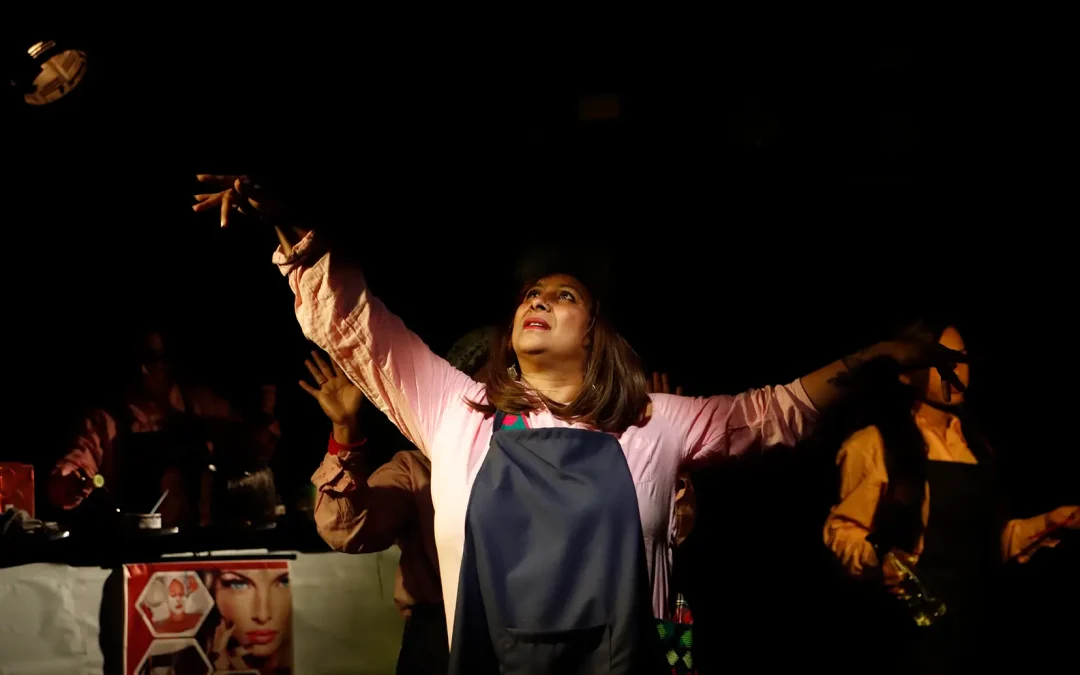

The Power of Performance – Using Theatre to Educate and Empower
Theatre has long been recognized as a powerful tool for education and empowerment, offering a unique platform for exploring complex social issues, fostering personal growth, and building community engagement. In this blog post, we will explore how theatre, particularly through productions like those of Nepal Natyashala (Nepal Theatre House – NTH), educates audiences about important social topics and inspires personal transformation.
Educational Aspects of Theatre
- Enhanced Academic Performance: Students involved in theatre education often demonstrate higher academic achievement. They are more likely to excel in standardized tests and receive academic honors due to improved critical thinking and problem-solving skills.
- Development of Social Skills: Theatre fosters essential social competencies such as communication, teamwork, and empathy. By portraying diverse characters, students learn to understand different perspectives, leading to a more inclusive environment.
- Increased Confidence and Self-Esteem: Participation in theatre significantly boosts student’s self-confidence and self-esteem. This newfound confidence encourages active participation in class discussions and other academic areas.
- Critical Thinking and Creativity: Engaging in theatre education cultivates critical thinking and creativity. Students are more likely to be recognized for their innovative ideas and problem-solving abilities.
Empowering Aspects of Theatre
Beyond its educational benefits, theatre is a potent tool for personal empowerment and community engagement:
- Personal Growth and Self-Discovery: Theatre provides a platform for students to explore their identities, beliefs, and emotions. By embodying different roles, they develop a deeper understanding of themselves and their place in the world.
- Community Building: Theatre creates a sense of community, enhancing students’ sense of belonging and motivation. This heightened engagement can lead to improved attendance and graduation rates.
- Empathy and Emotional Intelligence: Through emotional connections with characters and stories, theatre helps students develop empathy and emotional intelligence. This makes them more well-rounded and capable of understanding diverse perspectives.
Nepal Natyashala NTH: Educating Audiences and Inspiring Change

Nepal Natyashala (Nepal Theatre House – NTH) is exemplary in using theatre as a catalyst for change. By tackling important social issues, these productions educate audiences about critical topics while inspiring personal growth and community engagement. Here are some ways NTH achieves this:
- Exploring Complex Issues: NTH productions delve into complex social issues, providing a platform for audiences to engage with and reflect on these topics. This encourages a deeper understanding and empathy for those affected by these issues.
- Inspiring Personal Growth: Through powerful storytelling and performances, NTH inspires personal growth by challenging audiences to consider new perspectives and reflect on their own beliefs and values.
- Building Community Engagement: By engaging with local communities and involving them in the creative process, NTH fosters a sense of community and encourages active participation in social change. Productions like “शब्दको बि उ” (The Seed of the Word) explore themes of expression, connection, and the resilience of the human spirit, highlighting the transformative power of language and storytelling.