
The Rich History of Nepalese Theater From Traditional Folklore to Modern Stage
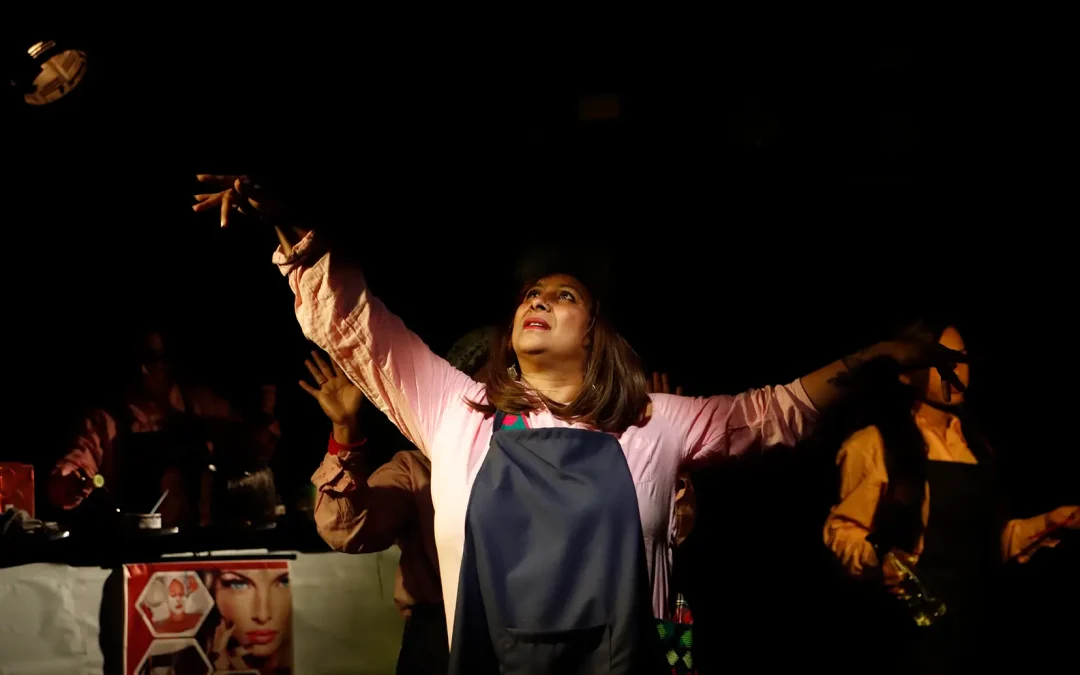
Theater in Nepal is more than just a form of entertainment; it is a living, breathing reflection of our culture, history, and societal evolution. From the folk theater traditions of the hills and Terai to the more modern performances in urban centers, Nepalese theater has a unique history that deserves celebration and exploration.
The Origins of Nepalese Theater
Nepal’s theatrical traditions can be traced back centuries, with folk performances being an essential part of religious and cultural life. Tamasha, Deuda, Jhyalincha, and Buddhi Khel were traditional forms of theater that combined storytelling, dance, music, and ritualistic performances. These performances were deeply tied to the community’s spiritual beliefs and provided both entertainment and moral teachings.
Modern Theater in Nepal
In the 20th century, Nepal saw the emergence of more structured theater forms. The influence of Western theater, as well as the introduction of formal drama education, began to shape the urban theater scene in Kathmandu. The establishment of institutions like the Royal Nepal Academy in the 1950s and the Nepal Academy of Music and Drama in the 1990s paved the way for contemporary theater in the country.
Cultural Significance Today
Today, Nepalese theater continues to thrive, with the addition of new forms such as street theater, experimental plays, and musical productions. As an art form, it remains an essential way for Nepalis to express their stories, struggles, and dreams. The themes explored in modern plays often revolve around social change, gender issues, caste discrimination, and national identity, making it a powerful tool for awareness and reform.
The history of Nepalese theater is rich and diverse, blending ancient traditions with modern innovations. At NTH, we are committed to preserving and evolving this legacy, ensuring that theater continues to play a central role in Nepal’s cultural and social development.